
DIY Tips for Small Carpentry Projects at Home


Getting Started with DIY Carpentry
Embarking on small carpentry projects at home can be both fulfilling and cost-effective. It allows you to customize your living space and develop new skills. Before you begin, ensure you have the basic tools like a hammer, saw, measuring tape, and a drill. These essentials will help you tackle most beginner projects.
Start with simple projects like a wooden shelf or a birdhouse. These projects are ideal for honing your skills and gaining confidence. Remember, the key is to start small and gradually take on more complex tasks as your skills improve.
Essential Safety Tips
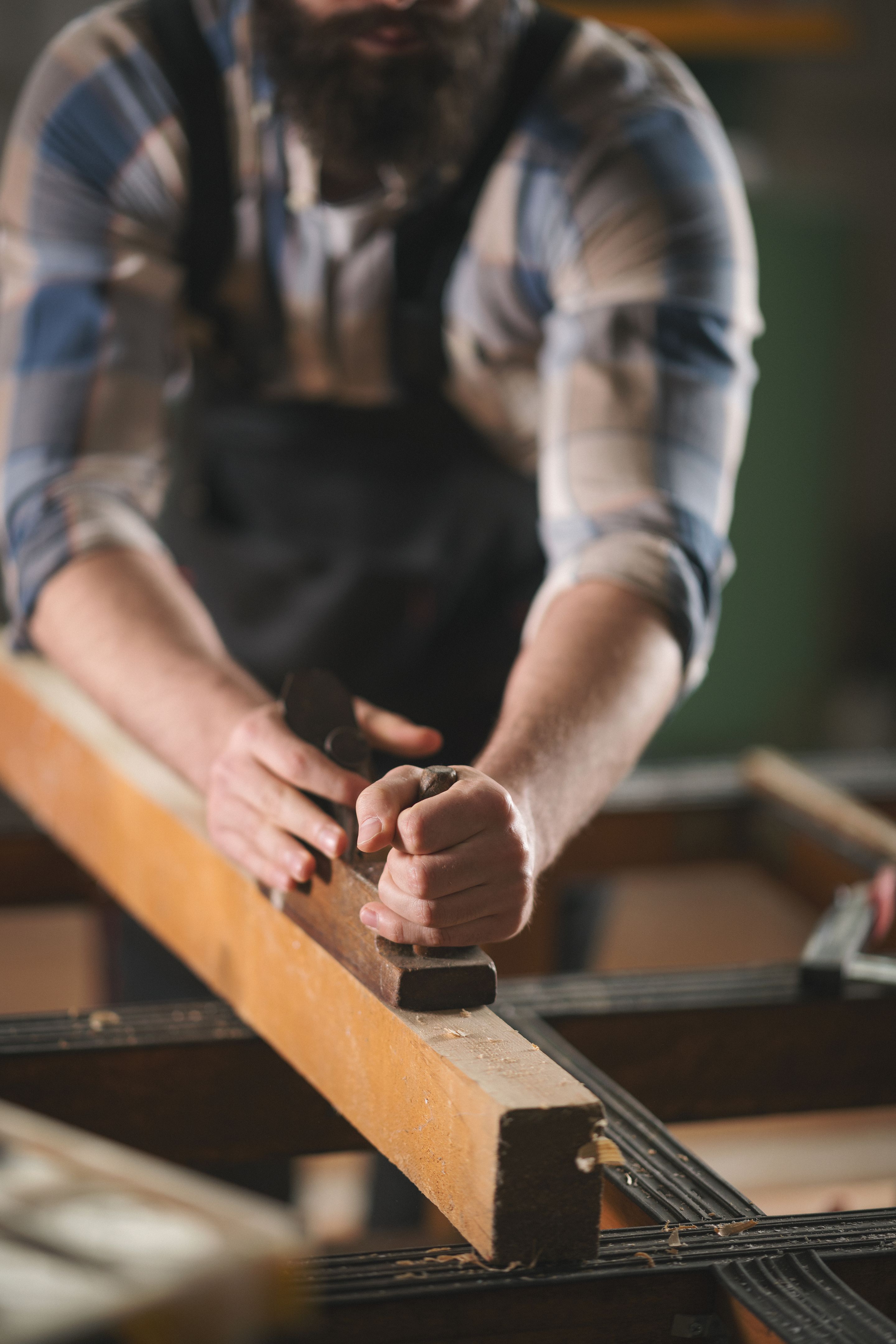
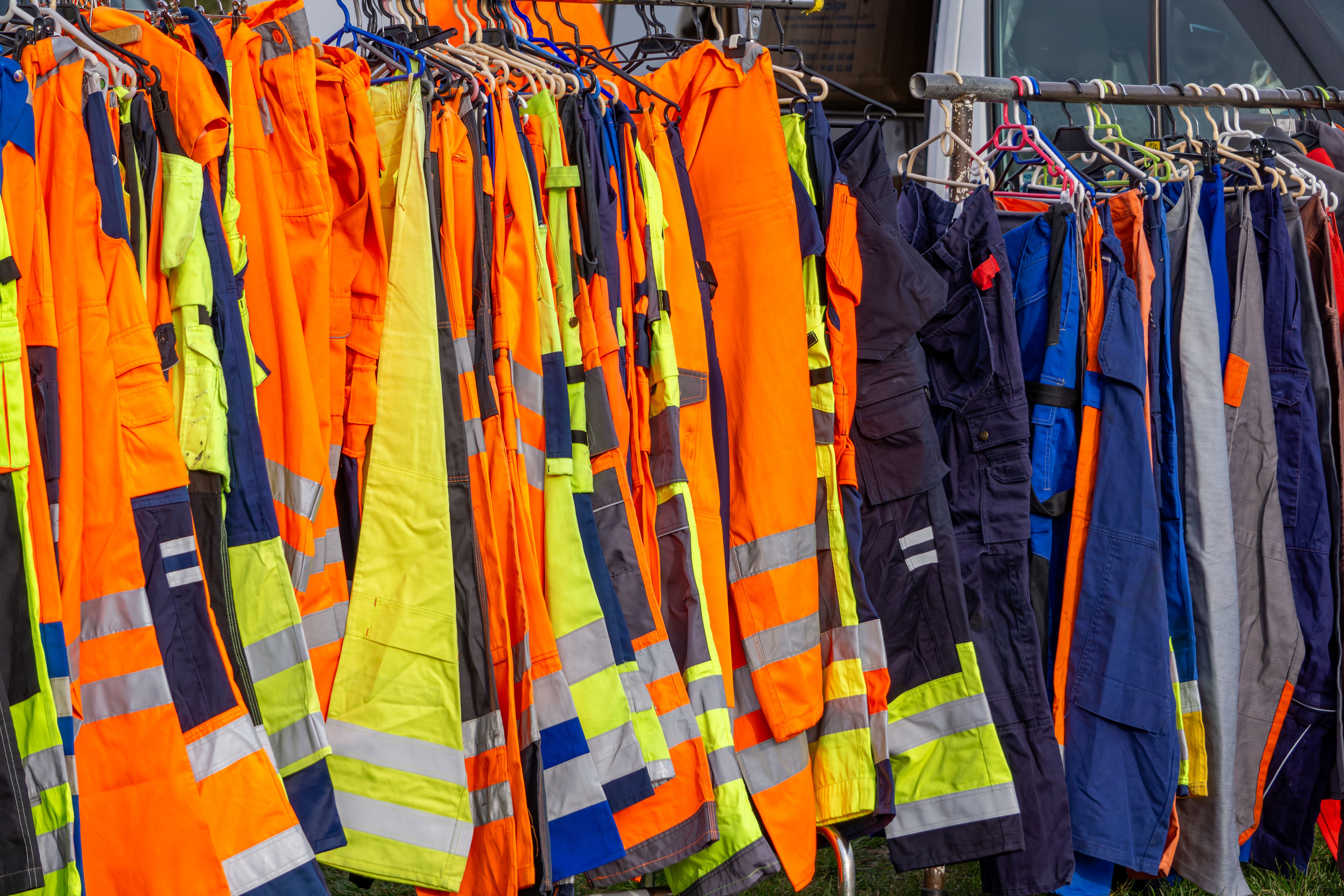
Safety should always be your top priority when working on carpentry projects. Wear protective gear such as gloves and safety goggles to prevent injuries. Additionally, ensure your work area is well-lit and free from clutter to avoid accidents.
Always read the instructions for any power tools you use, and keep them in good working condition. Regular maintenance checks can help prevent unexpected malfunctions.
Choosing the Right Materials
Selecting the right materials is crucial for the success of your project. For beginners, softwoods like pine and cedar are easier to work with and more forgiving for mistakes. These woods are also readily available and affordable, making them perfect for small projects.
Consider the purpose and location of your project when selecting materials. For instance, if you're building outdoor furniture, choose weather-resistant wood to ensure durability.

Basic Techniques to Master
Mastering some basic carpentry techniques will make your DIY projects more successful. Learn how to measure and mark accurately, as precision is key in carpentry. Cutting techniques, like straight cuts and miter cuts, are fundamental skills you’ll use frequently.
Another important technique is sanding. Proper sanding smooths out rough edges and prepares surfaces for finishing. This step is crucial for achieving a professional look.
Joining Wood Pieces
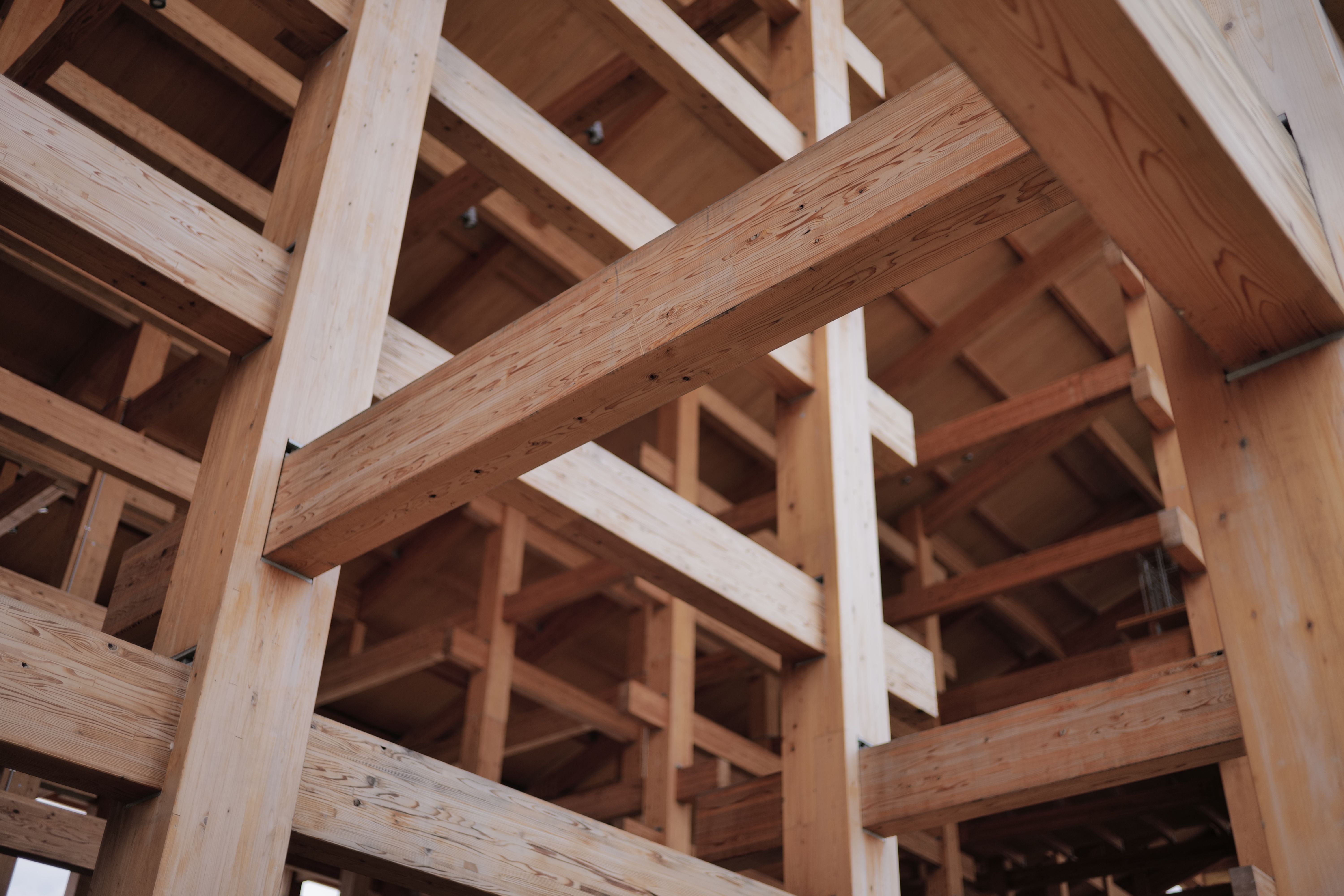
Understanding how to join wood pieces effectively is essential. Simple joints like the butt joint and miter joint are great starting points. As you progress, you can explore more complex joints such as dovetails and mortise-and-tenon.
Finishing Touches
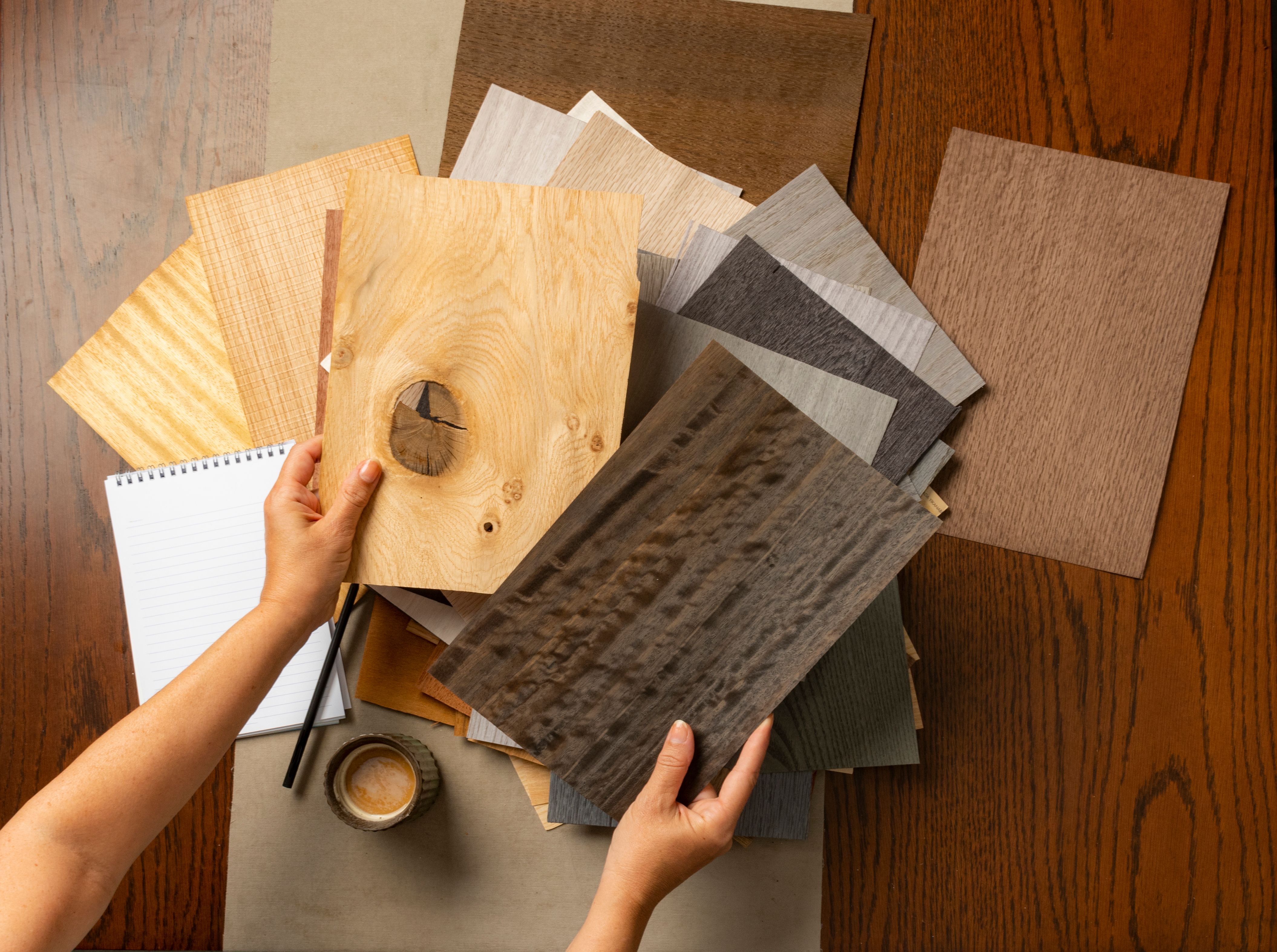
Once your project is assembled, finishing touches can make all the difference. Applying a stain or paint enhances the wood’s appearance and provides protection. Choose finishes that complement your home’s decor and the project’s purpose.
Allow adequate drying time between coats of paint or stain for the best results. This patience will pay off with a professional-looking finish.
Conclusion
DIY carpentry projects can be a rewarding hobby that enhances your home and builds your skill set. By starting with simple projects, prioritizing safety, and mastering basic techniques, you'll be well on your way to becoming a more confident and capable DIY enthusiast.
Remember, practice and patience are key. With time, you'll be tackling more ambitious projects with ease.